Web development continues to be one of the most exciting and accessible fields to dive into, especially in 2026. Whether you’re looking to build your first website, launch an online business, or start a new career, the tools and resources available today make it easier than ever to get started. This guide will walk you through the essentials of web development, breaking down what you need to know as a beginner.
Understanding the Basics of Web Development
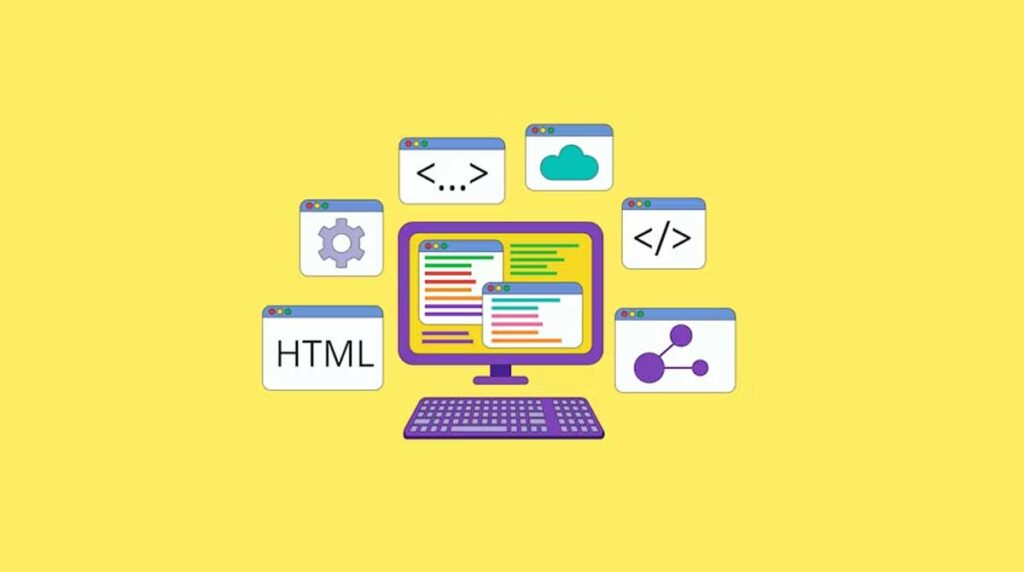
Web development is all about creating and maintaining websites. It can be divided into two main areas: front-end development and back-end development. Front-end development focuses on what users see and interact with on a website, while back-end development involves the behind-the-scenes logic, databases, and server-side processes that make a website function.
In 2026, the web development landscape is more beginner-friendly than ever. With intuitive tools and robust learning platforms, you don’t need a degree in computer science to get started. All you need is curiosity, dedication, and a willingness to learn.
Essential Skills for Web Development
To begin your journey in web development, you’ll want to start with some foundational skills:
HTML: The Building Blocks of the Web
HTML (HyperText Markup Language) is the backbone of every website. It provides the structure for web pages, allowing you to define elements like headings, paragraphs, images, and links. Learning HTML is your first step toward understanding how websites are built.
CSS: Styling Your Website
CSS (Cascading Style Sheets) is what makes websites look beautiful. It allows you to control the layout, colors, fonts, and overall design of your site. In 2026, CSS has become more powerful with advanced features like Grid and Flexbox, making it easier to create responsive designs that look great on any device.
JavaScript: Adding Interactivity
JavaScript is the programming language that brings websites to life. It enables interactive features like dropdown menus, image sliders, and form validation. Modern JavaScript frameworks like React and Vue.js have simplified the process of building dynamic user interfaces.
Version Control with Git
Version control systems like Git are essential for managing your code. They allow you to track changes, collaborate with others, and roll back to previous versions if needed. Platforms like GitHub and GitLab have made version control more accessible for beginners.
Tools and Resources for Beginners
The web development community has grown significantly over the years, and in 2026, there’s no shortage of tools and resources to help you learn:
- Code Editors: Tools like Visual Studio Code and Sublime Text are beginner-friendly and packed with features to make coding easier.
- Online Tutorials: Websites like freeCodeCamp, Codecademy, and MDN Web Docs offer free tutorials and resources for learning web development.
- Interactive Platforms: Platforms like CodePen and Replit allow you to experiment with code directly in your browser.
- AI-Powered Assistance: In 2026, AI-driven tools like ChatGPT can help answer your coding questions, debug your code, or even suggest improvements.
Building Your First Project
One of the best ways to learn web development is by building projects. Start small—a personal portfolio website is a great first project. It allows you to practice HTML for structure, CSS for styling, and JavaScript for basic interactivity.
As you gain confidence, you can move on to more complex projects like blogs, e-commerce sites, or even web applications. The key is to keep challenging yourself while having fun along the way.
Staying Updated in 2026
The world of web development evolves rapidly. New frameworks, tools, and best practices emerge every year. To stay ahead of the curve in 2026:
- Follow blogs and newsletters from industry leaders.
- Join online communities like Reddit’s web development forums or Discord groups.
- Attend webinars, workshops, or virtual meetups.
- Experiment with new tools and technologies as they become available.
Final Thoughts
Starting your journey in web development may feel overwhelming at first, but remember that every expert was once a beginner. In 2026, there are countless resources at your fingertips to help you learn at your own pace. Focus on building a strong foundation in HTML, CSS, and JavaScript, and don’t hesitate to seek help from the vibrant web development community when needed.
With dedication and practice, you’ll soon be creating websites that not only look great but also provide value to users around the world. So grab your laptop, pick a project idea, and start coding—your journey into web development awaits!