You have a killer idea for a mobile app. Maybe it tracks your workouts or helps you split bills with friends. Then the doubt creeps in. How on earth do you turn that spark into a real app that people actually download?
As a beginner, that question stops most people cold. I get it. I stared at the same blank screen years ago. The good news? You don’t need a computer science degree or years of experience. You just need the right steps and a little persistence.
We’re walking through everything together. From picking your tools to hitting publish, this guide gives you exactly what you need. Let’s get your first mobile app live.
Picking the Perfect Path for Your First Mobile App
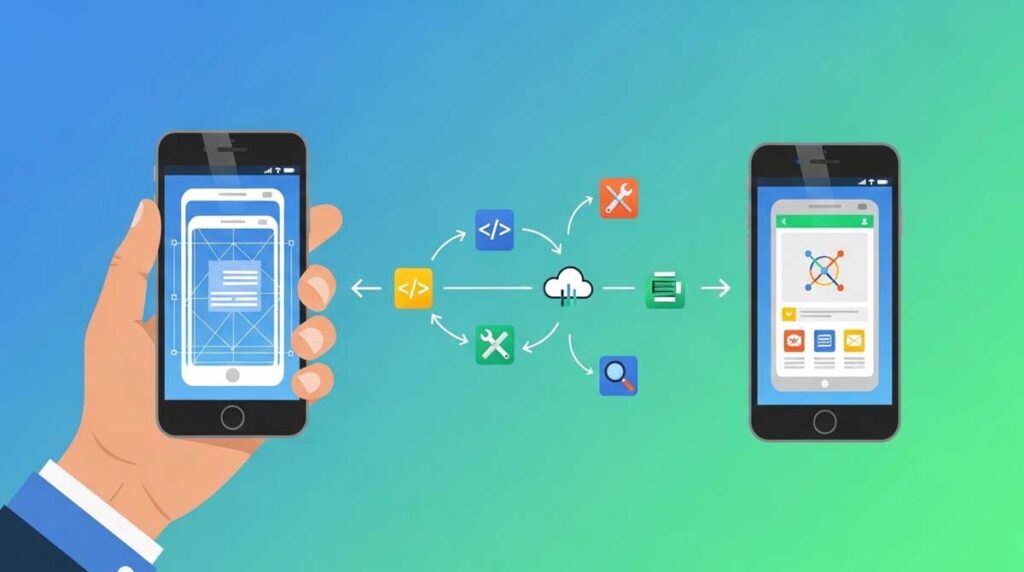
Choosing how to build your mobile app feels like the biggest decision. Native or cross-platform? The answer depends on your goals and how fast you want results.
Native development means writing separate code for iOS and Android. You’ll use Swift or Kotlin. It gives you the smoothest performance and full access to device features. But it doubles your work as a beginner.
Cross-platform tools let you write once and deploy everywhere. That’s huge when you’re just starting. Flutter and React Native top the list right now. They cut your learning curve in half.
I remember building my first mobile app the hard way. I went native and spent weeks rewriting the same screen twice. Never again. For most beginners, cross-platform is the smarter move. You ship faster and keep your momentum.
Start by asking yourself one question. Do you want to reach both iOS and Android users right away? If yes, open Flutter’s website today. Their free starter templates will have you running code within an hour.
Why Flutter Wins for Most Beginners
Flutter’s hot-reload feature is addictive. Change one line and see the update instantly on your phone. No waiting. No frustration.
It also looks beautiful out of the box. Material Design and Cupertino widgets make your app feel native on both platforms. You won’t need separate designers at the start.
Mastering the Coding Basics Every Beginner Needs
Coding sounds scary until you break it into bite-size pieces. You don’t need to master everything before day one. Focus on the fundamentals that actually matter for a mobile app.
Start with Dart if you pick Flutter. Or JavaScript with React Native. Both are forgiving languages. Variables, functions, and loops are your new best friends.
Practice by building tiny pieces first. Create a button that changes color when tapped. Then add a counter. These baby steps build confidence fast.
Here’s a tip I wish someone had given me. Don’t copy tutorials line by line. Type them yourself. Muscle memory kicks in and you actually understand why each line exists.
Spend 30 minutes a day on free platforms like Codecademy or freeCodeCamp’s mobile sections. In two weeks you’ll be writing real mobile app logic without freezing up.
Your First Real Coding Win
Try this simple exercise tonight. Build a screen that shows today’s weather. Pull fake data first, then connect a free API. The moment that data appears on your phone? Pure magic. That rush keeps you going.
Setting Up Your Tools Without the Overwhelm
Nothing kills beginner excitement faster than a messy setup. Let’s fix that.
Download Android Studio first. It works for both Flutter and native Android. The built-in emulator lets you test without buying extra phones.
Next, grab Visual Studio Code. It’s lightweight and has perfect Flutter extensions. Install the Flutter and Dart plugins in under five minutes.
For iOS testing on a Mac, Xcode is free from the App Store. Windows users can use cloud services like BrowserStack for quick checks.
Create a simple “Hello World” project right now. Run it on the emulator. If you see your text on the phone screen, you’ve won the hardest part of the whole process.
Pro Setup Tricks I Learned the Hard Way
Keep your code in one folder called “MyFirstApp.” Use Git from day one. Even if you mess up, you can roll back in seconds. Free GitHub accounts work perfectly.
Designing Screens People Actually Love to Use
Great coding alone doesn’t make a successful mobile app. The interface decides if people stay or delete it in ten seconds.
Start with paper sketches. Draw your main screens on a notepad. Three screens maximum for your first project.
Use free tools like Figma. Their mobile app templates save hours. Drag and drop your buttons and text. Test the flow yourself.
Focus on one thumb rule: every important button should be reachable without stretching your hand. Keep colors simple. High contrast text. Plenty of white space.
I once launched a mobile app with a beautiful design that nobody understood. Lesson learned. Ask three friends to try your prototype. Their confusion will show you exactly what to fix.
Quick UI Checklist for Beginners
- One primary action per screen
- Consistent icons from Flutter’s Material library
- Dark mode support built in
- Test on both small and large phones
Bringing Your Mobile App to Life: Coding, Testing, and Launch
Time to code the real thing. Break your app into small features. Finish the login screen first. Then the main dashboard. Celebrate each piece.
Write clean code. Name variables so you understand them six months later. Add comments that actually help future-you.
Testing matters more than most beginners realize. Run your mobile app on three different devices. Try it with slow internet. Shake the phone and watch for crashes.
When it feels solid, create developer accounts. Apple charges $99 a year. Google Play is a one-time $25 fee. Upload your screenshots and description.
Hit publish. Your first mobile app is now in the stores. That moment never gets old.
What to Do After Launch
Check your analytics daily. Fix the first bugs fast. Update the description with real user quotes. Each small improvement teaches you more than any tutorial ever could.
Ready to Build Your First Mobile App?
You now have the exact roadmap. No fluff. No overwhelming theory. Just clear, actionable steps that real beginners have used to launch real mobile apps.
Pick one tool today. Open your laptop. Write your first line of code. The only thing stopping you is the first tap.
Your idea deserves to exist. Go build that mobile app. I’ll be cheering for you from here.
Frequently Asked Questions
Do I need to know coding before starting my first mobile app? No. Many successful developers started with zero experience. Free resources and cross-platform tools handle the heavy lifting. You’ll learn as you build.
How long does it take a beginner to launch a mobile app? Expect 4 to 8 weeks working evenings. Simple apps can go live in under a month if you stay focused. The key is shipping something small first.
Which is better for beginners: Flutter or React Native? Flutter wins for most new developers. Faster performance, beautiful default designs, and one language for everything. React Native works great too if you already know JavaScript.
Can I make money from my first mobile app? Absolutely. Add simple ads, in-app purchases, or subscriptions. Many beginners earn their first $100 within weeks of launch. Focus on solving one real problem and users will pay.
What if my mobile app idea already exists? Perfect. That proves people want it. Make yours faster, prettier, or cheaper. The market is huge and there’s always room for a better version.